User Interface Glass Morphism Concept: A Modern Graphic Design Asset
First Impressions of a Trending Visual Style
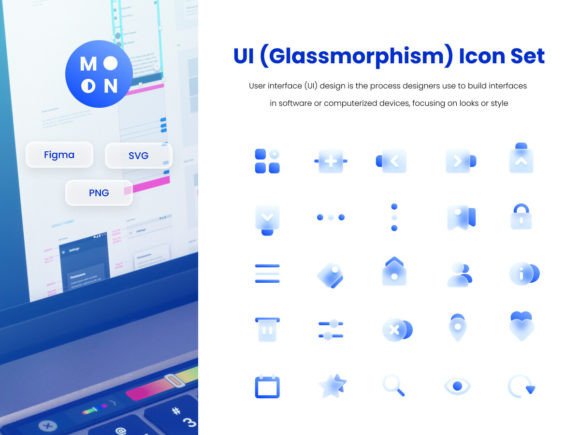
When I first saw the User Interface Glass Morphism Concept, I was immediately drawn to its ethereal, semi-transparent look. This graphic design asset feels modern and artistic, blending visual depth with subtle clarity. The soft blur and frosted glass effect create a mood that is both elegant and inviting. It’s not overly flashy, but it has enough personality to stand out in editorial content without overwhelming the reader.
This style naturally supports lifestyle-focused, educational, or creative niches. Whether you're publishing digital guides, blog tutorials, or affiliate marketing content, this design asset can help elevate your visuals and reinforce a professional yet approachable brand identity.
Real Publishing Use Cases for User Interface Glass Morphism Concept
The versatility of the User Interface Glass Morphism Concept makes it ideal for various publishing scenarios. Here are some real-world applications where this graphic design asset shines:
- Blog Featured Images: Use these icons as part of a larger header graphic to add visual interest while maintaining readability.
- Pinterest Pins: The glass morphism style works well on Pinterest, where eye-catching visuals are key to driving traffic and engagement.
- Article Headers: Incorporate the icons into your article headers to break up text and guide readers through your content visually.
- Newsletter Graphics: These icons can be used as accents in newsletter layouts to highlight sections or call-to-action buttons.
- Digital Guides and eBooks: The modern aesthetic fits perfectly into downloadable resources like digital guides, worksheets, and printable designs.
- Social Media Previews: Create shareable social media graphics with a cohesive visual identity using this design asset.
- Canva Templates: These icons can be integrated into Canva templates to enhance your brand's visual consistency across platforms.
By using this User Interface Glass Morphism Concept, you can create stronger first impressions, clearer visual hierarchy, and more consistent branding across your content marketing efforts.
Where This Design Works Best
This graphic design asset excels in areas that benefit from a touch of creativity and visual depth. Some of the best use cases include:
- Hero Images: The glass morphism style adds a layer of sophistication to hero sections, making them more engaging.
- Article Thumbnails: Use these icons to create unique thumbnails that stand out in feeds and search results.
- Pinterest Pins: As mentioned earlier, the style aligns well with Pinterest’s visual nature, helping your pins get noticed faster.
- Editorial Accents: Add subtle touches of this design to your editorial layouts for a polished and modern look.
- Content Upgrades: Enhance your lead magnets and downloadable resources with a professional, clickable design.
- Category Visuals: Help readers quickly identify sections of your website with visually distinct category thumbnails.
- Newsletter Headers: Make your email newsletters feel more branded and visually appealing with this design.
- Social Media Previews: Improve your click-through rates by creating more attractive social media previews.
Use With Caution: When and Where to Avoid This Style
While the User Interface Glass Morphism Concept is versatile, there are certain contexts where it might not be the best fit. Be mindful of the following:
- Small Mobile Thumbnails: The intricate details of this style may not render well on small screens, leading to reduced visibility.
- Text-Heavy Blog Images: Overuse of this design can make text-heavy images appear cluttered or hard to read.
- Low-Contrast Backgrounds: Ensure sufficient contrast between the icon and background to maintain readability.
- Busy Layouts: Avoid using this style in highly detailed or busy layouts, as it can become visually overwhelming.
- Very Serious Professional Niches: While modern, this design may not align with the strict minimalism required for corporate or legal content.
- Websites That Need Minimal Visual Systems: If your brand requires a very clean and minimal design, this style might be too decorative.
Practical Publisher Notes for Using This Design Asset
If you're considering using the User Interface Glass Morphism Concept in your content publishing workflow, here are a few practical tips:
- Test Across Devices: Check how the design looks on both desktop and mobile screens to ensure it adapts well.
- Thumbnail Preview: Always preview the graphic as a thumbnail to see how it appears in feeds or search results.
- Layout Integration: Test it inside your actual blog layout to ensure it complements your overall design.
- Headline Text Compatibility: Try placing the icon next to different headline texts to ensure readability and visual balance.
- Contrast and Readability: Review the contrast between the icon and surrounding text or backgrounds for optimal readability.
- Black and White Testing: See if the design still holds its appeal when converted to black and white.
- Font Pairing: Experiment with pairing the icon with serif, sans-serif, script, handwritten, and display fonts to find the best combination.
- File Size and Performance: Confirm the file size is optimized for web performance and compress images if necessary.
- Commercial Licensing: Always check the licensing terms before using this design on monetized websites, affiliate pages, or paid content products.
By taking these steps, you can ensure that the User Interface Glass Morphism Concept enhances your editorial content, improves brand recognition, and contributes to a more professional-looking website or digital product.
Final Thoughts on User Interface Glass Morphism Concept
In summary, the User Interface Glass Morphism Concept is a valuable graphic design asset that can significantly improve your blog visuals, website branding, and editorial content. Its modern, artistic style is well-suited for creative, educational, and lifestyle-focused niches. By using it thoughtfully and testing it thoroughly, you can create content that stands out, engages readers, and reinforces your brand identity effectively.