Modern Furniture Icons: A Clean Graphic Design Asset for Content Publishing
A First Impression of Modern Furniture Icons
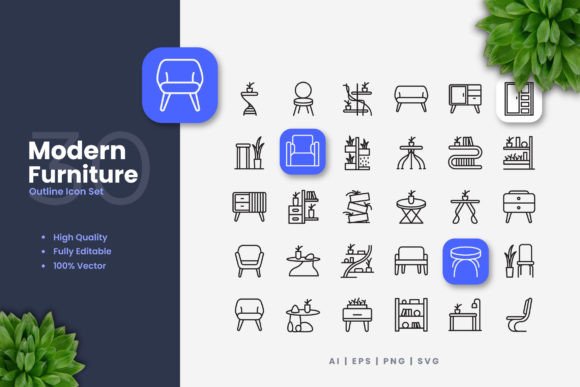
At first glance, Modern Furniture Icons radiates a sense of simplicity and professionalism. The clean lines and minimalistic approach immediately set the tone for editorial content that feels modern and visually trustworthy. These icons are not just decorative—they communicate clearly and efficiently, making them ideal for websites, digital guides, and social media graphics where clarity is key.
The simple and clean icon design creates an editorial mood that's both inviting and professional. It supports lifestyle-focused content, educational resources, and even creative marketplaces by offering a visual language that’s easy to understand and aesthetically pleasing. Whether you're publishing a blog post on interior design or creating a downloadable resource for your audience, these icons help maintain a cohesive brand identity.
Real Publishing Workflow Integration
As a blogger and digital publisher, I often need to create visuals for a variety of purposes—featured images, Pinterest pins, newsletter headers, and more. Modern Furniture Icons fit seamlessly into this workflow. Their versatility allows me to use them in different contexts, from article headers to category thumbnails, without compromising on quality or visual appeal.
For example, when preparing a Pinterest pin for an affiliate marketing campaign, these icons can be used to highlight key features of a product. Similarly, they work well as editorial accents in blog posts, helping to break up text and guide the reader's eye through the content with ease.
They also serve as excellent assets for digital guides, lead magnets, and printable designs. Whether you're creating a downloadable worksheet or designing a Canva template for your audience, these icons provide a polished look that enhances the overall presentation of your content.
Supporting Content Performance with Visual Design
Modern Furniture Icons contribute significantly to content performance. They enhance the visual hierarchy of web pages, making it easier for readers to navigate and engage with the content. This is especially important for blog posts and website banners where the goal is to capture attention quickly.
Their consistent style helps reinforce brand identity across different platforms. From social media graphics to website headers, using these icons ensures a unified visual presence that builds reader trust and improves click-through potential.
Additionally, these icons support content marketing efforts by making promotional materials more appealing. Whether you're promoting an affiliate product or launching a new digital download, the right graphic design asset can make all the difference in how your content is received.
Where Modern Furniture Icons Work Best
These icons shine in several publishing scenarios:
- Hero Images: As part of a website header or landing page, they add a touch of elegance and clarity.
- Article Thumbnails: They help categorize content and improve recognition on blog archives.
- Pinterest Pins: Perfect for creating engaging visuals that stand out in a sea of content.
- Blog Graphics: Ideal for breaking up long blocks of text and adding visual interest.
- Newsletter Headers: Help establish a strong visual identity while guiding the reader's focus.
- Social Media Previews: Improve engagement by providing a clear and attractive visual element.
Using Icons with Caution
While Modern Furniture Icons are highly versatile, there are situations where their use should be approached carefully:
- Small Mobile Thumbnails: On mobile devices, the detail in the icons may become lost if they're too small.
- Text-Heavy Blog Images: When paired with dense text, they might compete for attention instead of complementing it.
- Low-Contrast Backgrounds: Ensure sufficient contrast between the icons and the background for readability.
- Busy Layouts: In complex layouts, these icons may appear cluttered and lose their effectiveness.
- Corporate or Serious Niches: If your brand requires a very minimal visual system, consider whether these icons align with your brand identity.
Practical Publisher Notes for Using Modern Furniture Icons
To ensure optimal results when using Modern Furniture Icons, follow these practical steps:
- Test on Desktop and Mobile Screens: Confirm that the icons display well across different devices.
- Check Thumbnail Appearance: Make sure they look good as smaller previews on blogs and social media.
- Preview in Real Blog Layouts: See how they integrate with your existing content structure.
- Test with Headline Text: Ensure they don't overshadow or conflict with your headlines.
- Review Contrast and Readability: Use tools to check color contrast and legibility.
- Try in Black and White: Assess their effectiveness in grayscale to ensure they still convey meaning.
- Pair with Different Fonts: Test them alongside various font styles like serif, sans-serif, script, and display fonts.
- Review File Size: Optimize images for web performance to avoid slow load times.
- Confirm Commercial Licensing: Always verify that you have the proper license before using them on monetized sites or paid content products.
Whether you're a small business owner, online educator, or creative entrepreneur, Modern Furniture Icons offer a powerful way to elevate your web design, editorial design, and digital product offerings. By integrating these icons thoughtfully into your content strategy, you can create a more professional and engaging experience for your audience.